Pharmacology is the branch of medical science which is concerned with the scientific study of drugs, their actions and various effects on body systems.
Considering the fact that a great majority of patient-doctor interactions conclude with prescribing a drug to the patient, the knowledge of pharmacology is the bed-rock of modern medicine.
To impart the understanding of the pharmacological basis of therapeutics, so as to enable the future doctors to prescribe rationally and make sound decisions supported by evidence based medicine.
To promote a learning and research environment that embraces inquiry and a spirit of innovation, so as to empower the health professionals to adopt a patient centered and evidence based approach to pharmacotherapy with the ultimate goal of improving human health.
The department of pharmacology aims to fulfil its mission by employing various innovative teaching learning methods along at the same time retaining the best of traditional methods of learning.
The department is well equipped with Computer Lab with Computer assisted learning (CAL) software as an alternative to animal experiments.
This in accordance with the regulations on the subject which require that the use of animals must be minimized in UG teaching.
By using CAL, the students can see the real time effects of the drugs on various body systems at the click of a button without the need for performing animal experiments which can cause much avoidable pain and distress to the animals..
Adverse Drug Reaction Monitoring Centre (AMC) in the Department of Pharmacology purpose is to monitor and report any adverse reactions that may be encountered during treatment.
The information generated will help in continuous monitoring of the risk-benefit ratio of various medicines and help in timely intervention if required.
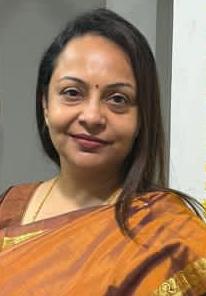
Dr. Meghna Pandey is an esteemed leader in Pharmacology with over two decades of experience dedicated to medical education, clinical research, and patient safety. An alumnus of the prestigious Seth G.S. Medical College and K.E.M. Hospital, Mumbai, she has built a distinguished career spanning academic leadership and specialized clinical oversight.
In the field of medical education, Dr. Pandey has been instrumental in transitioning traditional curricula into modern, Competency-Based Medical Education (CBME). Her expertise in clinical pharmacology bridges the gap between laboratory research and bedside care, with a particular focus on drug efficacy. By committed reinforcement of monitoring systems for Adverse Drug Reactions (ADRs), she has been able to strengthen the institution’s pharmacovigilance framework.
Beyond the classroom, Dr. Pandey is a recognized authority in regulatory and ethical oversight. She has served as a key member of the Institutional Ethics Committees of Fortis Memorial Research Institute and Sheetla Multispecialty Hospital, Gurugram providing critical guidance for clinical trials.
Her research interests include adverse drug reactions, pharmacovigilance, COVID-19 therapeutics and antimicrobial resistance. She has authored multiple peer-reviewed publications and book chapters, including contributions on agranulocytosis and drugs in diagnostics. Dr. Pandey has actively participated in pharmacovigilance activities, including medical review of Individual Case Safety Reports (ICSRs) in databases such as Argus Safety for ADR reporting and training. She has played a vital role in institutional governance through her active membership in causality assessment and antimicrobial Stewardship committees.
Dr. Pandey has conducted extensive prescription audits to evaluate prescribing patterns and ensure adherence to clinical guidelines. Having organized high-impact CMEs such as the New Drugs and Clinical Trial Rules 2019, and committed to evidence-based practice and regulatory guidelines (including GCP, ICH, and updated clinical trial norms), Dr. Pandey continues to mentor students and healthcare professionals while advancing rational pharmacotherapy and patient safety in academic and clinical settings.

Dr. Juhi Singla is an accomplished medical professional with an MD in Pharmacology and extensive experience in medical education, clinical research, and pharmacovigilance.
She is currently serving as an Associate Professor in the Department of Pharmacology. She has been actively involved in undergraduate and postgraduate teaching, academic mentoring, and research activities.
With a strong foundation in clinical pharmacology, Dr. Singla possesses expertise in prescription auditing, adverse drug reaction (ADR) reporting through VigiFlow, causality assessment, and rational drug use. Her clinical exposure includes a fellowship in dialysis within the Department of Nephrology, Medanta Hospital, Gurugram providing her with valuable hands-on experience in patient management and interdisciplinary care.
Dr. Singla has demonstrated a keen interest in research, with multiple publications in reputed national and international journals. Her research work spans areas such as chronic obstructive pulmonary disease (COPD), diabetes management, pharmacoeconomics, and prescription pattern analysis.
She has also contributed to academic innovation and continues to engage in ongoing research, including experimental pharmacology studies.
Her academic journey is marked by notable achievements, including securing first place in a national-level pharmacology quiz and presenting research at prestigious conferences.
She is also certified in diabetes care through recognized international programs and has completed formal training in biomedical research, reflecting her commitment to continuous professional development.
A dedicated educator and researcher, Dr. Singla combines clinical insight with academic excellence, striving to promote evidence-based medicine, patient safety, and rational therapeutics in both teaching and practice.
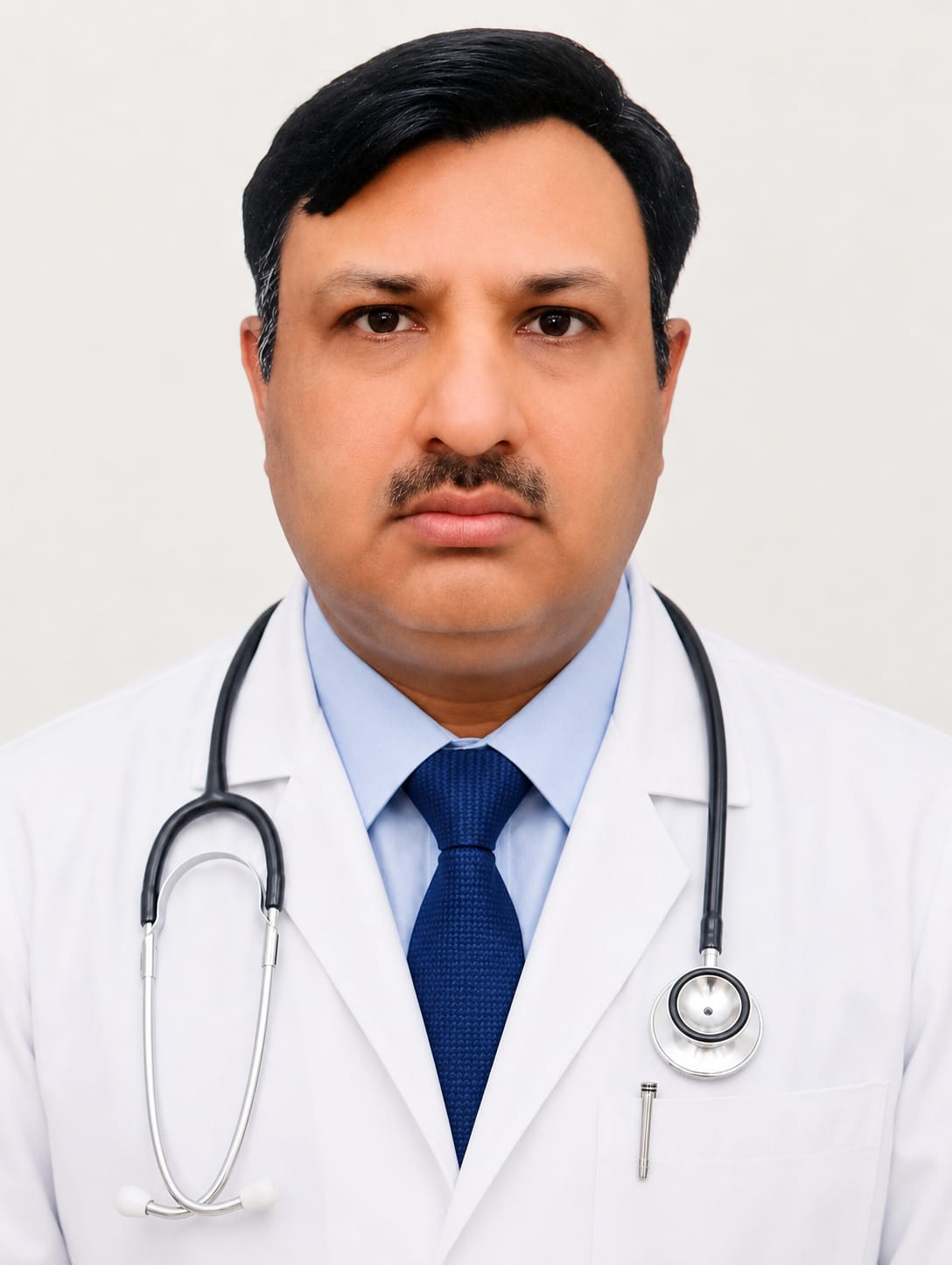
Dr. Ashok Kumar Jain is an accomplished medical professional and academician with over 23 years of extensive clinical experience. He completed his MBBS, followed by DNB in General Medicine, and later earned his MD in Pharmacology from the University College of Medical Sciences (UCMS) and Guru Teg Bahadur (GTB) Hospital, Delhi.
Dr. Ashok Kumar Jain has been earlier associated with AIIMS Jodhpur pharmacology department. He also worked in community medicine department St. Stephens Hospital.
He also has been associated with Medical Genetics department in Sir Ganga Ram Hospital.
He currently serves as an Assistant Professor in the Department of Pharmacology at Maharaja Agrasen Kedar Nath Gupta Medical College, Bahadurgarh (Haryana). Prior to this, he worked as Senior Resident and later as Assistant Professor in Pharmacology at NC Medical College and Hospital, Haryana.
Dr. Jain has played a key role in maintaining laboratory infrastructure and equipment in compliance with institutional and regulatory standards. A skilled multitasker with excellent communication and problem-solving abilities, he has also completed the Basic Course in Medical Education (BCME) and the Basic Course in Biomedical Research (BCBR), reflecting his commitment to academic excellence and continuous learning.
He is the author of several research publications in reputed national and international journals. His primary research interests lie in the fields of Diabetes, Hypertension, and Cardiology, where he continues to contribute through both teaching and research.
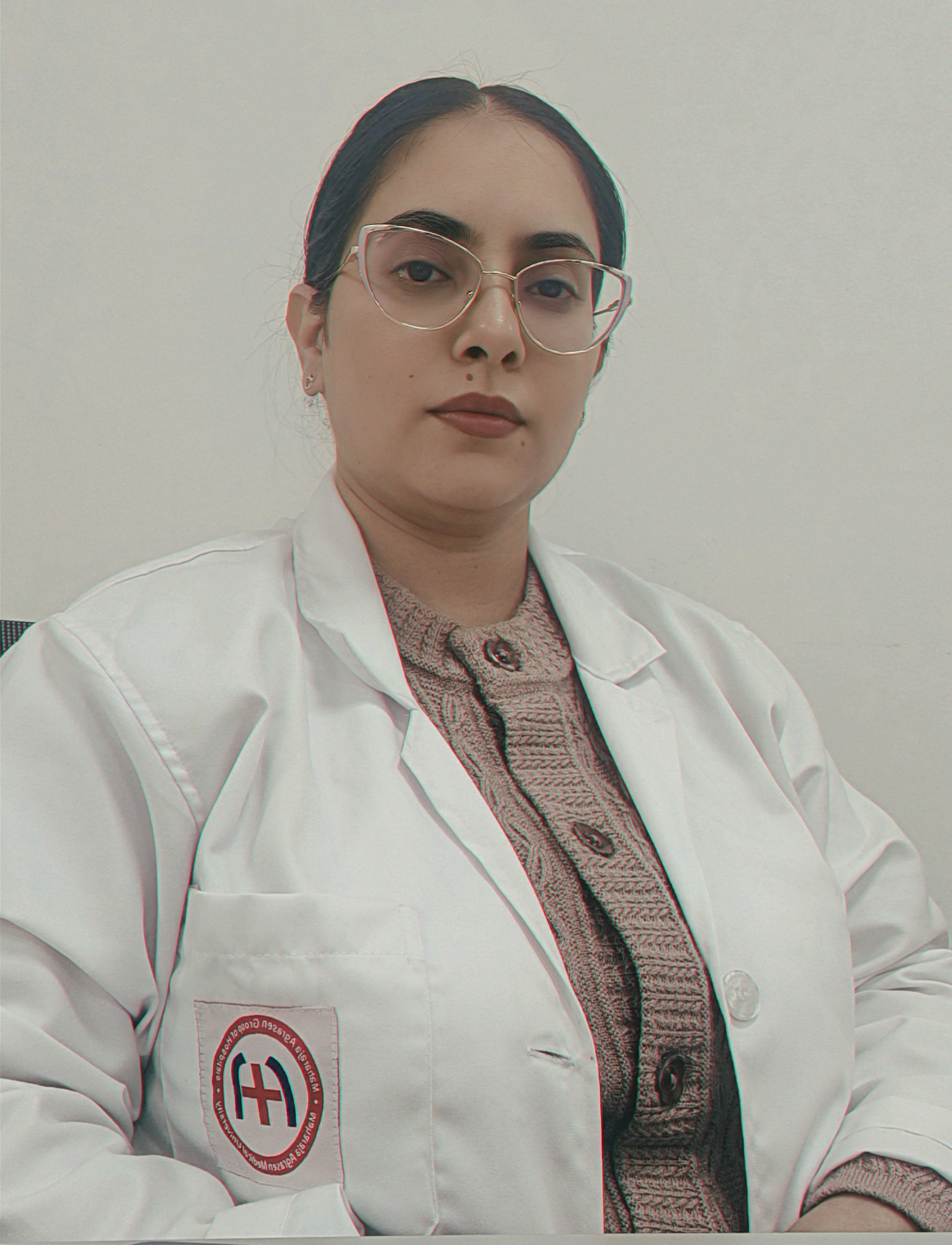
Dr. Prabhjot Kaur is a dedicated pharmacologist and clinician with a strong foundation in both clinical medicine and pharmacological sciences. She currently serves as Senior Resident in the Department of Pharmacology at Maharaja Agrasen Kedar Nath Gupta Medical College, Bahadurgarh, Haryana. With extensive hands-on clinical experience in critical care and a distinguished academic record, Dr. Kaur is committed to advancing medical education, rational drug use, and patient safety through teaching, research, and clinical practice.
Dr. Kaur brings vast clinical expertise gained from working in premier institutions across Delhi and Haryana:
During her postgraduate training in MD Pharmacology at Santosh Medical College and Hospital, Dr. Kaur actively engaged in a wide range of academic and scholarly pursuits, including:
These presentations reflect Dr. Kaur's commitment to disseminating knowledge on rational drug use, antimicrobial stewardship, and patient safety, earned during her postgraduate training and early career. She continues to engage in academic discussions through conferences and CME programs. Dr. Prabhjot Kaur's blend of clinical acumen and pharmacological expertise makes her an asset to the institution, fostering excellence in medical education and healthcare delivery.
Dr. Deepak yadav is an accomplished medical professional and academician with over 8 years of extensive clinical experience. completed his MBBS from PT BD Sharma medical University Rohtak and his MD in Pharmacology from Santosh University.
He currently serves as an Senior Resident in the Department of Pharmacology at Maharaja Agrasen Kedar Nath Gupta Medical College, Bahadurgarh (Haryana). Prior to this, he worked as Senior Resident at NC Medical College and Hospital, Haryana.Also earlier associated with MAX healthcare ,World college of medical sciences, IHBAS,Manipal hospitals and RML hospital.
Dr. Yadav has played a key role in maintaining laboratory infrastructure and equipment in compliance with institutional and regulatory standards. A skilled multitasker with excellent communication and problem-solving abilities, he has also completed the Basic Course in Biomedical Research (BCBR), reflecting his commitment to academic excellence and continuous learning.
He is the author of several research publications in reputed national journals . His primary research interests lie in the fields of psychiatry.